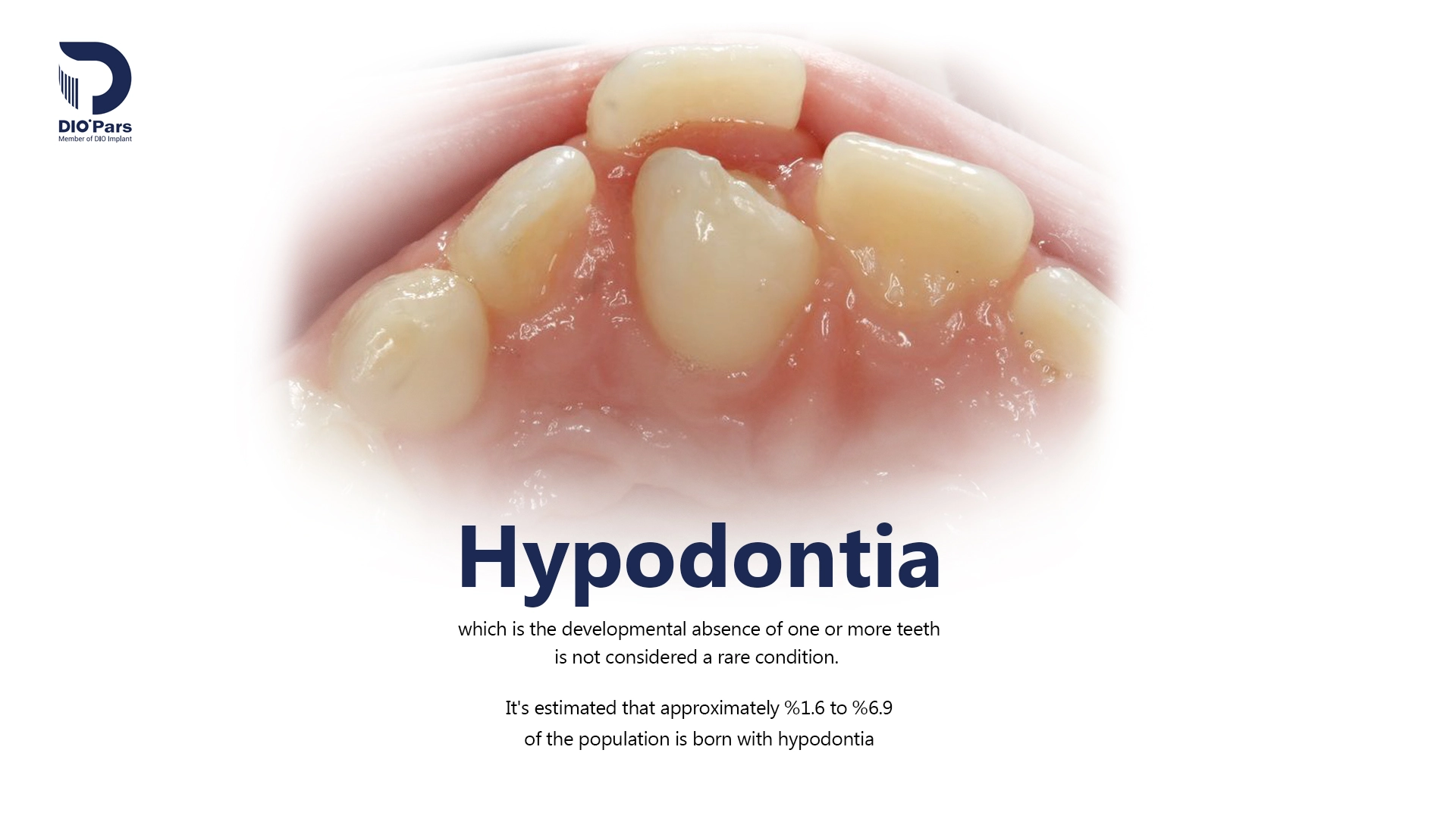
Hypodontia (Supernumerary Teeth) – Overview
Definition:
Hypodontia refers to the presence of extra teeth beyond the normal 32 permanent teeth. These additional teeth can appear anywhere in the mouth (upper or lower jaw), either singly or in multiples.
For more information: Contact Divo Pars sales experts at +98 910 166 1530.
Classification, Prevalence, Etiology, Associated Anomalies, Clinical Consequences, and Treatment Options
Classification:
- Mild: 1–2 missing teeth
- Moderate: 3–5 missing teeth
- Severe: 6 or more missing teeth (excluding third molars)
- Syndromic vs Non-syndromic: Hypodontia may occur alone or as part of genetic syndromes.
Terminology:
- Hypodontia: fewer than six missing teeth
- Oligodontia: six or more missing teeth
- Anodontia: complete absence of teeth
Prevalence
- Rare in primary (baby) teeth; more common in permanent teeth.
- Most affected teeth: lower second premolars, upper lateral incisors, upper second premolars, lower lateral incisors.
- Varies by population; e.g., 6.3% in Australian Caucasians.
Etiology
- Genetic factors: Major contributor, often involving hundreds of genes. Can be autosomal dominant, recessive, or X-linked. Non-syndromic cases are more common than syndromic.
- Environmental factors: Trauma, dental infections, early loss of primary teeth, metabolic or hormonal disorders, prenatal malnutrition, smoking during pregnancy, chemotherapy or radiotherapy in childhood.
Associated Dental Anomalies
- Microdontia (smaller teeth)
- Paurodontids
- Tooth displacement or rotation
- Hypoplastic alveolar bone
Skeletal Pattern
- Mild hypodontia usually does not affect the facial skeleton.
- Severe cases may show flattened or concave facial profile, reduced nasolabial angle, or retrognathic maxilla.
Clinical Consequences
- Affects aesthetics, especially in anterior teeth
- Functional issues (chewing, speech)
- Psychological impact on patients
- Requires careful diagnosis and management, often including orthodontics, prosthetics, and multidisciplinary care
Management
- Multidisciplinary team: general dentist, pediatric dentist, orthodontist, prosthodontist, oral/maxillofacial surgeon, lab technicians
- Treatment depends on severity, location, number of missing teeth, and patient age
- Early diagnosis and planning improve aesthetic and functional outcomes
Conclusion
Hypodontia is a complex dental condition with well-documented classification, prevalence, etiology, associated anomalies, clinical consequences, and treatment options. Effective management requires a comprehensive evaluation and a multidisciplinary approach.