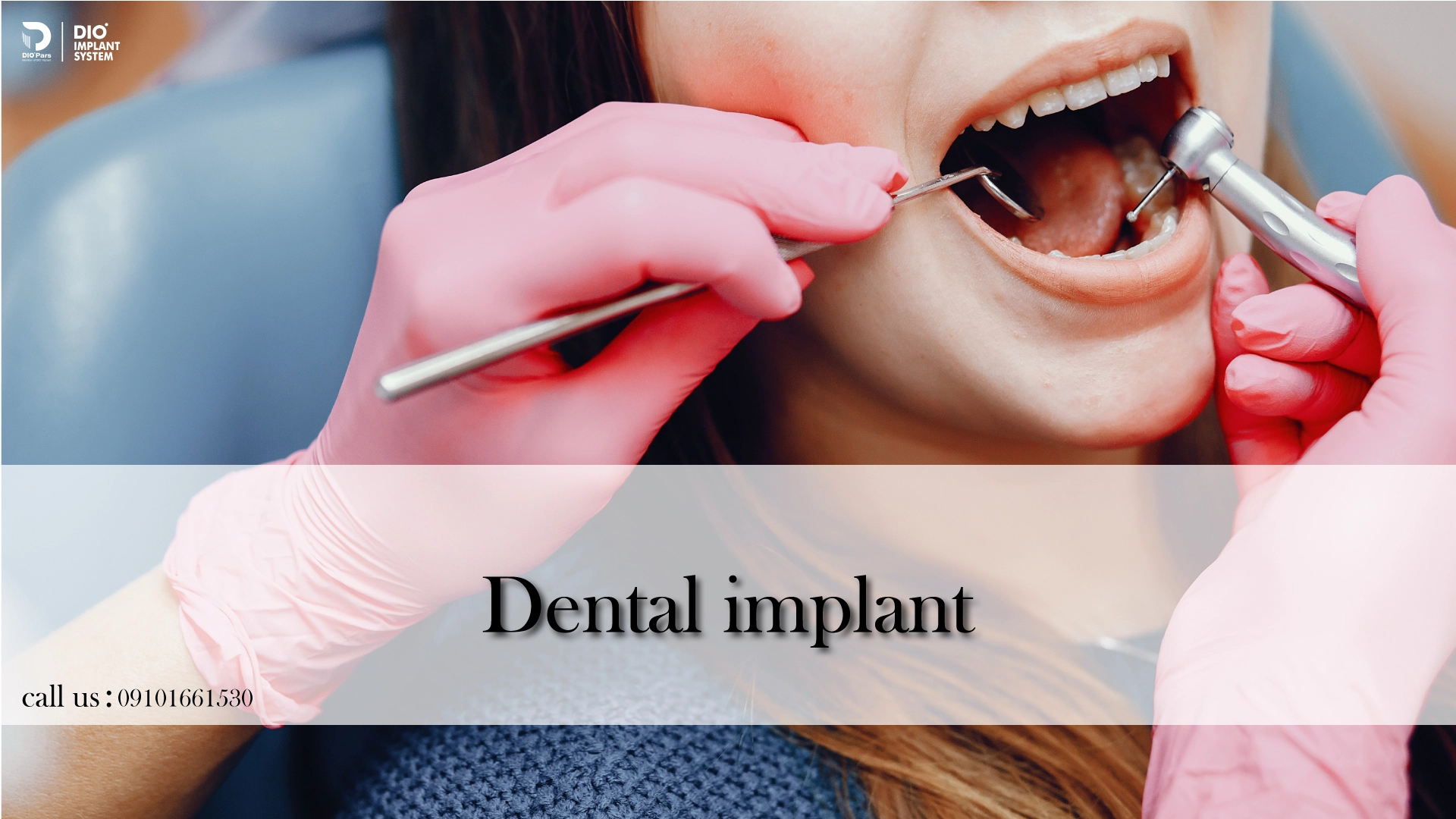
What is a dental implant? A dental implant replaces the missing tooth root and provides a stable foundation for crowns, bridges, or full dentures. Unlike removable dentures or traditional bridges, implants are placed in the jawbone and help prevent bone resorption.
Materials of dental implants
Titanium: Most common, biocompatible, strong, long clinical history
Titanium alloys: Higher strength and flexibility
Zirconia (ceramic implants): Metal-free, tooth-colored, suitable for patients with metal sensitivity
Implants are placed immediately after tooth extraction. Pros: fewer surgeries, faster treatment, bone preservation Cons: not suitable for all patients, requires good bone quality
Implant crown placement steps
Implant evaluation
Abutment placement
Digital scan or impression
Crown fabrication
Final crown installation (cemented or screw-retained)
Pain and discomfort
Implant surgery is generally painless
Mild post-operative discomfort is normal and temporary
Crown placement is usually pain-free
Causes of implant loosening
Poor osseointegration
Infection (peri-implantitis)
Excessive bite forces
Poor bone quality
Inadequate oral hygiene
Cost of dental implants (Iran – approx.)
Korean implants: 10–20 million Toman per unit
European/American implants: 20–35 million Toman per unit (Cost varies by brand, treatment complexity, and clinician experience)
Implant longevity
With proper care, implants can last 15–25 years or longer, sometimes for life.